Activity Bank
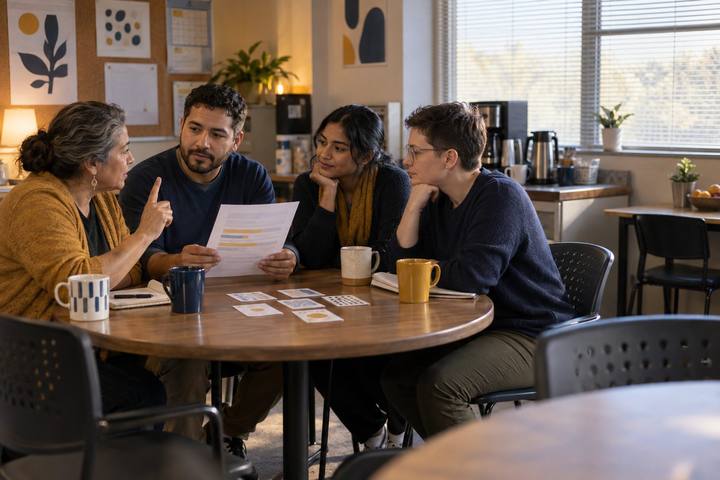
An instructional coach rehearses a short lesson for two colleagues, who give him feedback.

All activities Professional learning

Coach-to-Coach Microteaching

Coaches plan and deliver 10-minute micro-PD sessions on one digital literacy move, get protocol-based peer feedback, and revise before a teacher ever sees it.

Print handouts

Overview

Coaches are often asked to teach a skill to adults in the ten minutes at the start of a staff meeting, and those ten minutes rarely get rehearsed. In this session, each coach draws one digital literacy move (tracing a quote, checking an AI answer's sources, a privacy pause before uploading), plans a 10-minute micro-PD with a RISE goal and adult learning principles built in, delivers it to two colleagues, and receives feedback through a structured glow, grow, and try protocol. Coaches also test an AI-drafted set of feedback stems and decide what to keep. Everyone revises and re-delivers the weakest two minutes before leaving.

Objectives

  • Participants will plan a 10-minute micro-PD on one digital literacy move that includes a why, a live model, participant practice, and a transfer to students.
  • Participants will give and receive feedback using a structured protocol and rubric language, citing specific moments rather than general impressions.
  • Participants will critique an AI-drafted set of feedback stems, keep what matches the rubric, and rewrite what doesn't.
  • Participants will revise and re-deliver one segment of their micro-PD and name what changed.

Materials

On paper

  • Handout A: Move Cards and AI-Drafted Stems (1 set per trio, cut apart)
  • Handout B: Micro-PD Planner (1 per person)
  • Handout C: Micro-PD Feedback Rubric (3 per person, one for each session they observe or deliver)
  • Timers for each trio; sticky notes

On screen

  • Optional: one device per trio for moves that need a live search or an approved AI chatbot
  • Optional: an AI chatbot your district approves, for coaches to draft their own feedback stems (no teacher or student names or details in any prompt)

Before you start

  1. Print and cut Handout A. Separate the eight Move cards from the two AI-Drafted Stems cards.
  2. Choose one move card yourself and prepare a 3-minute model of the Model segment so the room sees the level of specificity you expect.
  3. Set up the room so trios can sit apart; each trio needs a surface for the presenter's materials.

Step by step

  1. 10–5 min

    Hook

    Ten minutes, rehearsed

    Ask: "When did you last teach adults something in ten minutes? Did you rehearse it?" Most hands stay down on the second question. Say: "We ask teachers to plan and revise lessons. Today we do the same with our own PD, and we practice giving each other feedback we'd want to receive." Briefly set trio norms: feedback is about the session, not the person; every grow comes with a try; the presenter decides what to use.

    Facilitator noteThese norms build trust among peers who may rarely see each other teach. Name them out loud; don't assume them.

  2. 25–13 min

    Explore

    Draw a move

    Each coach draws a Move card from Handout A (or chooses one if the trio prefers). Read the front and back: the move, why it matters, and the common misconception. Coaches jot the teacher audience they would actually teach this to and one reason those teachers need it now.

    Facilitator noteCoaches who pick a move they already know well should be nudged to teach it to an audience that is new to them, such as K–2 teachers or a skeptical department.

  3. 313–28 min

    Create

    Plan the ten minutes

    Coaches complete Handout B: a RISE goal for the session (Relevant, Impactful, Specific, Energized), then four segments. Why (1 min): a problem teachers recognize. Model (3 min): a live think-aloud of the move. Try (4 min): participants do the move themselves on a real example. Transfer (2 min): what teachers will do with students next week and what evidence they'll bring back. Each segment names the adult learning principle it honors.

    Facilitator noteThe most common plan is eight minutes of explaining and two of practice. Hold the line: at least four minutes of participants doing the move.

  4. 428–35 min

    Model

    Critique the AI-drafted stems

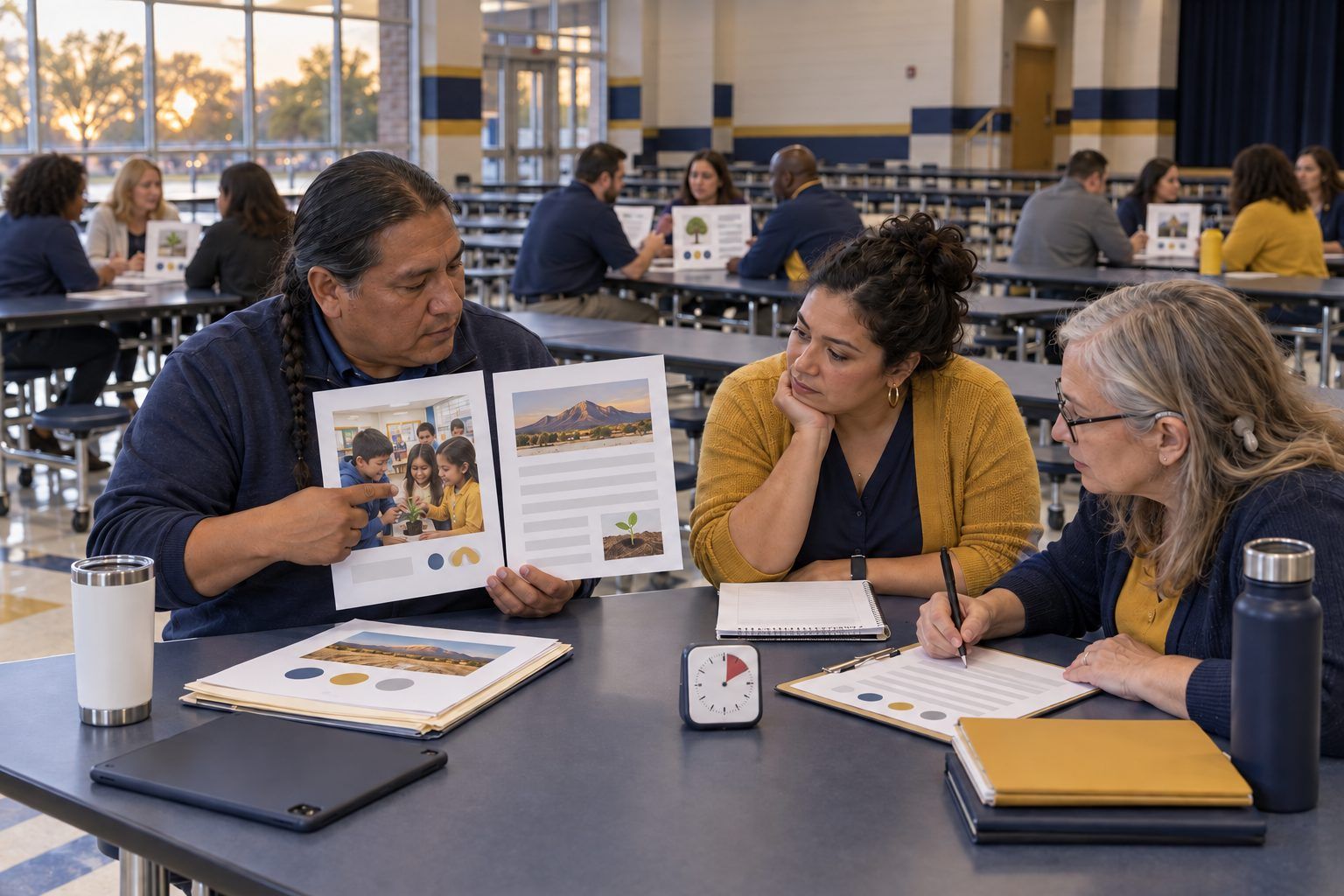
    Trios read the two AI-Drafted Stems cards from Handout A: stems a coach generated with a chatbot by pasting in the rubric criteria and asking for peer feedback stems. For each stem, trios decide: keep, revise, or cut, using Handout C's rubric language as the test. Then each trio agrees on three glow stems and three grow stems to use today. Say: "AI can draft the stems; it can't notice the moment in your session that worked. That part is ours."

    Facilitator noteLook for trios that notice the AI stems are generic, praise-heavy, and in one case evaluate the presenter rather than the session. Point out the prompt contained only rubric language, no names or details, which is the right way to use a tool for this kind of administrative drafting.
  5. 535–75 min

    Practice

    Three rounds: deliver, feedback, reflect

    Each coach delivers their 10-minute micro-PD to the other two, who participate as teachers would. Then run the protocol for 3 minutes: (1) the presenter names one thing they'd change; (2) each colleague gives one glow and one grow using the agreed stems, citing a specific moment; (3) each grow comes with a concrete try ("Try giving us the example before the definition"); (4) the presenter says thank you and nothing else. Both colleagues score Handout C quietly and hand it to the presenter. Rotate until everyone has presented.

    Facilitator noteKeep time strictly. A presenter who runs long cuts into a colleague's practice, and learning to land inside ten minutes is half the skill.

  6. 675–83 min

    Apply

    Revise and re-deliver two minutes

    Each coach reads their rubric sheets, picks the weakest segment, revises it on Handout B, and re-delivers just that segment (2 minutes) to a coach from another trio. The listener answers one question: "What would a teacher do differently after this version?"

    Facilitator noteMost revisions shorten the Why and lengthen the Try. Point that out if you see it; it is adult learning principles in action.

  7. 783–88 min

    Debrief

    What changed in the revision?

    Ask: "What changed between your first and second delivery, and which piece of feedback caused it?" Then: "How did it feel to receive feedback from a peer, and what made it safe or unsafe?" Chart the moves that made feedback usable.

    Facilitator noteCoaches often say the presenter-speaks-first step made the grows easier to hear. That is worth borrowing for teacher feedback conversations.

  8. 888–90 min

    Transfer

    Book your ten minutes

    Each coach names the staff meeting or PLC where they will deliver the revised micro-PD and the evidence teachers will bring back: student work showing the move.

    Facilitator noteFor a longer follow-on, bring the teachers' student work to a lesson study group and run a GRITS cycle on the same move.

Paper or screen

Unplugged

All eight moves can be modeled and practiced with printed examples: a printed social post and its original context, a printed AI answer with sources to check, a printed app permission screen. Coaches bring their examples on paper, trios sit together, and the rubric and feedback protocol need nothing but pencils. The AI-drafted stems are printed on Handout A.

Digital

Moves such as reverse image search or checking an AI answer's cited sources are more convincing live, so give each trio one device for the Model and Try segments. Coaches may use an approved chatbot during the Create step to draft their own stems or a session outline, with no teacher or student names or details in the prompt, and then compare the draft to Handout C. In a virtual session, run trios in breakout rooms and share rubric sheets as a form so presenters receive them instantly.

Does it need a screen? Live searches show teachers how fast a verification move can be, which a printed example can only describe. The feedback protocol is better on paper and face to face, where attention stays on the presenter.

Evidence of learning

What you should be able to see or collect if it worked.

  • Each Handout B plan gives participants at least four minutes of doing the move, not just watching it.
  • Glows and grows cite a specific moment in the session and each grow comes with a concrete try.
  • Trios revise or cut AI-drafted stems that are generic or evaluate the person, and keep stems that match rubric language.
  • Each coach names a specific change between first delivery and re-delivery and the feedback that prompted it.

Adaptations

New coaches
Shorten sessions to six minutes (Why 1, Model 2, Try 2, Transfer 1) for the first round, then build to ten.
Librarians
Draw from the source evaluation moves and use items from your collection or databases as the Try examples.
Coaching teams across campuses
Mix trios across campuses so feedback comes from colleagues who haven't seen each other teach. Trust norms matter even more.

Standards connections

Coaches rehearse 10-minute micro-PD sessions on digital literacy moves and revise them after protocol-based peer feedback.

UDL 3.0
8.55.39.3

See how all activities align

Reflect

  • How effective are my professional development initiatives in addressing teachers' needs? (Coach ELE guiding question)
  • What part of my PD do I usually skip rehearsing, and what did rehearsing it show me?
  • Where could an AI tool take administrative work off my plate so I can spend more time with teachers, and where should it never be used?

Take it to your students

Deliver your revised micro-PD within two weeks and ask teachers to bring back one piece of student work showing the move. Bring those samples to your coaching team and ask the same question you asked today: what changed?

Pairs well with